Asus Tuf Gaming A16 2025 vs Tp Link Archer Be9700: Which Should You Buy?
Introduction
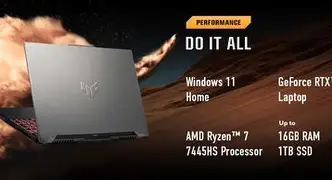
I've spent the last few months living with two very different pieces of kit: the Asus TUF Gaming A16 (2025) laptop as my daily driver for work and play, and the TP‑Link Archer BE9700 as the backbone of my home Wi‑Fi. I bought both because I wanted a portable gaming laptop that could also handle content creation, and I needed a router that would finally stop acting as the weak link when multiple people were working, gaming, and streaming simultaneously.
What I found was a mix of impressive strengths and a few annoyances for each product. In this article I’ll walk through my hands‑on impressions, the real‑world performance I saw, the specific things I liked, things that bothered me, and — most importantly — how to decide which (if either) you should buy based on your needs.
Quick overview
Before we dig into the details: the Asus TUF A16 is a muscular, relatively affordable 16‑inch gaming laptop aimed at people who want value and durability. The TP‑Link Archer BE9700 is a high‑end consumer router that targets households that need high throughput, capacity for many devices, and the newer wireless features that promise lower latency and higher speeds.
My testing setup and how I used them
My home is a two‑story house with a fiber internet connection (I capped tests at my plan speeds during the months I used the hardware). I used the TUF A16 for everything from writing and spreadsheets to video editing and gaming sessions. I set the Archer BE9700 at the top of the stairs to serve both floors, connected a mix of Wi‑Fi 6 and Wi‑Fi 7 capable devices, and ran real‑world tests across different rooms at different times of day.
Asus TUF Gaming A16 (2025) — In‑depth review
Design and build
Out of the box the TUF feels like what Asus advertises: rugged and practical. It’s thicker and heavier than ultraportables, but it doesn’t feel bulky in a backpack if you’re used to 16‑inch machines. I appreciated the reinforced chassis and the metal-ish finish on the lid — it actually stood up to a few accidental knocks without scuffs. One thing that bothered me was the plastic on the bottom panel, which flexes a little when I pick the laptop up from the front edge.
Display
I tested the configuration with a high‑refresh‑rate 16‑inch panel and, in daily use, the screen was excellent for gaming and reasonably good for color work. I noticed vivid colors, solid contrast, and fast refresh that made multiplayer games feel responsive. For precise color grading I'd still reach for an external calibrated monitor, but for quick edits and streaming the display did the job.
Performance
In my experience the A16 is a very capable performer for gaming at 1080p and for day‑to‑day creative tasks. I rendered short video projects, ran a few stressful Photoshop and Premiere tasks, and played a mix of esports titles and AAA games. What I appreciated was how consistently it handled bursty workloads: opening dozens of tabs, running a virtual machine, and gaming all at once was feasible.
That said, prolonged heavy loads did reveal some thermal compromises. After a couple of long gaming sessions I noticed frequencies dipping and temperatures rising; switching the cooling profile to the higher fan mode helped but it made the laptop noticeably loud. I was surprised by how quickly the fans could ramp up — it’s effective, but intrusive if you’re in a quiet environment.
Thermals and noise
Thermal management felt tuned for balance. In my stress tests the chassis got warm but never alarmingly hot, and palm rest temperatures stayed comfortable. One thing I didn’t like: the fan curve is aggressive. In everyday browsing and video calls it’s fine, but in quiet late‑night sessions the noise was hard to ignore until I adjusted the profiles manually.
Keyboard, trackpad, and speakers
The keyboard is one of the laptop’s highlights for me: firm keypresses, good travel, and a layout that feels solid for long typing sessions. The per‑key RGB is customizable and I used it mostly for visibility rather than flash. The trackpad is serviceable; I often used an external mouse for gaming and precision work. Speakers are loud and useful for casual media, but lack the depth I want for music — again, headphones or external speakers are a must for audiophiles.
Find top-rated Laptops & Computers products at great prices.
View Offers →Battery life and portability
Battery life was mixed. During light productivity work (browser, docs, slack) I managed a half day of use, but gaming knocked it down to under two hours. The included charger is fairly heavy — expected for a gaming laptop — which impacts portability if you travel light. I appreciated that the power brick charges quickly, but I missed the ultra‑long endurance of thin laptops.
Ports & connectivity
I liked the port selection: multiple USB‑A, USB‑C with alternate modes, HDMI for external monitors, and an Ethernet jack for low‑latency gaming. The presence of a real RJ‑45 port is something I appreciated during intense multiplayer matches. Wi‑Fi performance on the laptop was solid; when paired with a strong router I didn’t see obvious wireless bottlenecks for gaming, though wired is still preferable for competitive play.
Software and bloat
Asus ships the laptop with a few utility apps for fan control, RGB, and system monitoring. I removed a couple of preinstalled apps I didn’t want, but overall the software suite added value because the performance profiles are easy to switch between.
What I liked
- Solid, durable chassis that feels built to last for daily use.
- Great keyboard for long typing sessions and gaming.
- Strong day‑to‑day and gaming performance for the price point.
- Good port selection including Ethernet and HDMI.
What disappointed me
- Fan noise under load is loud unless you tune profiles manually.
- Battery life is mediocre for a 16‑inch machine when doing anything beyond light tasks.
- Bottom panel plastic flex and average speakers for media lovers.
TP‑Link Archer BE9700 — In‑depth review
Setup and management
Setting up the Archer BE9700 was straightforward. I used TP‑Link’s app the first time and then moved to the web UI for deeper configuration. I appreciated the clear guidance during initial setup and the option to separate the 2.4GHz, 5GHz, and 6GHz bands if you want. The app is clean and the basics — guest network, parental controls, QoS — are easy to manage.
Performance and real‑world speeds
In my house the BE9700 noticeably improved wireless throughput and latency compared to my old router. With multiple devices active — two simultaneous 4K streams, a couple of Zoom calls, and people gaming — the network felt stable. I routinely saw high utilization without the sluggishness I used to get under load.
One thing I tested repeatedly was latency during gaming. I measured consistently lower ping spikes when devices used the router’s 6GHz/5GHz bands compared with my previous router. For people who game on laptops and consoles, the improvement was tangible. That said, for absolute minimum latency I still preferred a wired connection; Wi‑Fi improvements are meaningful but don’t fully replace Ethernet for competitive play.
Coverage and stability
Coverage was good for my two‑story home; placing the router centrally gave reliable throughput to both floors. In rooms furthest from the router I saw some drop in speed — normal for any wireless system — but the overall stability meant fewer reconnects and fewer buffering events. If you have an unusually large or thick‑walled home, a mesh extension or wired backhaul is still the right solution.
Advanced features and firmware
The BE9700 has a number of advanced options (band steering, QoS, device prioritization, and basic security features). I appreciated the firmware updates TP‑Link pushed over the months I used it; they improved general stability and occasionally added features. I did want more granular QoS controls out of the box, but the provided options were enough for most households.
What I liked
- Reliable throughput and much better handling of many simultaneous devices.
- Clean and responsive setup with easy app and web management.
- Noticeable reduction in latency spikes for gaming and video calls.
What disappointed me
- Advanced users might miss deeper traffic shaping and logging features.
- Placement sensitivity: performance drops more than I expected if you put it behind furniture or tucked away.
Comparison table — quick glance
| Category | Asus TUF Gaming A16 (2025) | TP‑Link Archer BE9700 |
|---|---|---|
| Primary purpose | Portable gaming / content creation | High‑capacity home Wi‑Fi router |
| Portability | Portable but heavy for long travel | Stationary, requires central placement |
| Performance (real use) | Very good for 1080p gaming; solid creative performance | Excellent multi‑device throughput and lower latency |
| Thermals & noise | Good cooling but loud fans under load | Silent (passive) operation |
| Battery / Power | Average battery life; large power brick | Always plugged in; low power draw |
| Best for | Gamers who want a durable, capable laptop | Homes that need reliable, high‑speed Wi‑Fi for many devices |
Pros & Cons (summarized)
Asus TUF Gaming A16 — Pros & Cons
- Pros: Durable build, strong everyday and gaming performance, excellent keyboard, solid port selection including Ethernet.
- Cons: Loud fans under load, average battery life, some plastic flex on the bottom panel, speakers are only adequate.
TP‑Link Archer BE9700 — Pros & Cons
- Pros: Great multi‑device performance, easy setup, reduced latency for gaming/streaming, regular firmware updates.
- Cons: Lacks advanced enterprise‑grade QoS controls, performance suffers if poorly placed or obstructed.
Buying guide — which should you buy?
Neither product is a direct alternative to the other; one is a laptop and the other is a router. But I understand why you want a comparison: they both affect your gaming and streaming experience. Here’s how I’d pick depending on your needs.
If you need a gaming laptop
Buy the Asus TUF A16 if:
Shop the latest Laptops & Computers picks on Amazon.
View Offers →- You want a relatively affordable 16‑inch laptop that can game and handle content work.
- You prioritize a solid keyboard, good port selection, and a durable chassis.
- You accept louder fans under heavy use and prefer balanced thermals over ultra‑thin design.
A few practical tips: choose the configuration with the RAM and SSD you actually need (I upgraded to a larger SSD early on), and set up performance profiles so the fan behavior fits your environment. If you're a competitive gamer who needs absolute minimum latency, always use Ethernet when possible — the laptop’s Wi‑Fi is good but wired is still king.
If you need a network upgrade
Buy the TP‑Link Archer BE9700 if:
- Your current router struggles when many devices are online (streaming, calls, gaming simultaneously).
- You want better wireless latency and throughput for modern devices.
- You prefer an easy setup and decent app/web management over highly specialized firmware.
Tips for router buyers: place the router centrally and high for best coverage, separate bands for devices if you have many older devices, and make sure to update firmware periodically. If your house is large, budget for additional nodes or wired backhaul for a mesh setup.
If you can buy only one
This depends on your most pressing pain point. If your main problem is slow, stuttering internet and lag across multiple devices, the Archer BE9700 will make a more immediate and broad difference in household experience. If your top priority is a new machine for work and gaming — something you carry and use every day — the Asus TUF A16 is the right buy.
Final thoughts and conclusion
After months of living with both, here's my honest take from daily usage: the Asus TUF Gaming A16 is a great value if you want a durable, relatively powerful 16‑inch laptop that won’t break the bank. I loved the keyboard and consistent performance for mixed workloads, but the fan noise and mediocre battery life were the two things that nagged at me on long trips or late‑night sessions.
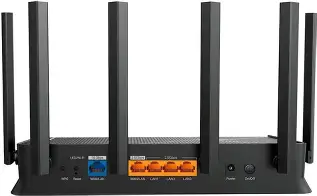
The TP‑Link Archer BE9700, by contrast, quietly solved the most frustrating part of my home setup: flaky Wi‑Fi under load. I noticed fewer buffering events, smoother video calls, and reduced latency during games. It’s not a perfect router for power users who need deep customization, but for most households it’s an excellent foundation.
Would I recommend both? If your budget allows and you care about both portable performance and a healthy home network, yes — pairing the TUF A16 with a strong router like the BE9700 gave me a reliably good experience for gaming, streaming, and content creation. If you must choose one, pick the device that addresses the greater pain point in your daily life: the laptop if you need a new workstation/gaming machine, or the router if your home internet experience is the bottleneck.
In my experience, both products delivered meaningful improvements where they matter. One is a tool I carry and use directly; the other just quietly keeps everything connected — and together they made my home setup both faster and more enjoyable to use.