Spec Battle: Hoka Challenger 8 vs Hyperice Hypervolt Go 2 — Is It Worth Upgrading?
At first glance, comparing the Hoka Challenger 8 and the Hyperice Hypervolt Go 2 looks like an apples-to-oranges exercise: one is a performance shoe designed for running and light trail use, the other a handheld percussion massager meant to speed recovery and reduce muscle tension. Yet both appear in many buyers’ shopping carts for the same reason: improving training, comfort, and day-to-day performance. This article examines what each product delivers, who benefits most, and whether upgrading to either one makes sense depending on real-world needs.
Introduction: Two tools for the active life
Modern active lifestyles rely on equipment that either enhances performance or accelerates recovery. Running shoes like the Hoka Challenger 8 claim to protect and propel, while recovery tools such as the Hyperice Hypervolt Go 2 promise targeted relief after hard sessions. Buyers often weigh the marginal gains of a new shoe against investing in recovery gear—or decide whether replacing existing kit is justified. This analysis breaks down design intent, real-world use cases, strengths, trade-offs, and buying guidance so readers can choose which upgrade, if any, is the better investment.
Product overview
Hoka Challenger 8 — what it is and who it's for
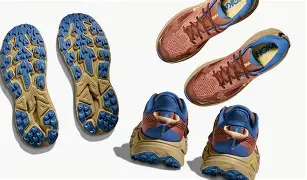
The Hoka Challenger 8 is positioned as a versatile road-to-trail trainer that blends cushion and responsiveness with a protective outsole for light off-road routes. It targets runners and walkers who want a single shoe that performs well on mixed surfaces—city streets, packed dirt, and gravel paths—without carrying the bulk or aggressive lugs of a dedicated trail shoe.
Typical users include daily trainers who mix road runs with occasional trail outings, fitness walkers who want extra cushioning, and runners who prioritize a smooth ride with predictable traction. Key buyer concerns for this category are fit (including toe box and heel lockdown), midsole cushioning and durability, outsole grip, and how the shoe affects cadence and fatigue over longer outings.
Hyperice Hypervolt Go 2 — what it is and who it's for
The Hyperice Hypervolt Go 2 is a compact, consumer-focused percussion massage device designed for on-the-go muscle maintenance. It is marketed toward athletes, fitness enthusiasts, and anyone seeking convenient percussive therapy to loosen tight muscles, improve circulation, and speed warm-up or recovery. Its compact form factor targets users who travel, commute to a gym, or prefer a less expensive, more portable option compared with larger massage guns.
Typical users include gym-goers who want quick recovery between sessions, runners who need to manage calf and hamstring stiffness, and desk workers who suffer from localized tension. Buyers often prioritize portability, battery life, noise level, attachment variety, and how effective the device is across different muscle groups.
Detailed analysis: real-world performance and design
Fit and comfort: Hoka Challenger 8
The Challenger 8 emphasizes a balanced fit rather than an aggressive stability profile. The upper generally provides a secure midfoot and heel lock with a slightly roomier forefoot compared with racing flats, which is beneficial for longer efforts and foot swelling on hot days. Cushioning is tuned to offer a plush ride without feeling sluggish; the midsole aims to absorb impact while returning enough energy to support steady tempo runs.
In real-world use, the shoe shines for runners who prioritize comfort during daily mileage. For those who tackle technical trails, however, it’s a compromise: the outsole and upper protection are sufficient for dirt and gravel but not for rock-strewn or root-heavy terrain where specialized trail shoes or rock plates are preferable.
Ride and responsiveness: Hoka Challenger 8
The balance between cushion and responsiveness defines the shoe’s character. On harder surfaces it provides an appreciable shock-absorbing effect that reduces perceived impact on long runs and recovery jogs. The geometry—moderate heel-to-toe drop and a curved sole—encourages a smooth transition through the gait cycle, which benefits midfoot-to-forefoot strikers and those seeking a forgiving trainer.
Looking for the best Electronics deals on Amazon?
See Deals →Build quality and durability: Hoka Challenger 8
Durability matters for weekly mileage. Reinforced lugs and a robust rubber compound in the high-wear zones extend outsole life for mixed-surface use. The upper materials are selected to resist abrasion from trail debris while remaining breathable. For heavier runners or high-mileage training cycles, outsole wear and midsole compression over time remain realistic considerations when evaluating long-term value.
Effectiveness and ergonomics: Hyperice Hypervolt Go 2
The Hypervolt Go 2 is intended to be a practical, easy-to-use recovery tool. Its compact handle and lightweight body make it comfortable to hold for short sessions. The device typically offers multiple speed settings for light to moderate percussion intensity, suitable for calves, quads, glutes, and upper-back areas. In practice, portability enables more consistent use—short, frequent sessions often provide better cumulative benefits than occasional long sessions.
Compared with larger massage guns, the Go 2 sacrifices the deep intensity some users want for stubborn knots. It performs well for general soreness, pre-warmup activation, and mobility routines, but those who need higher percussive force for dense muscle groups may prefer more powerful models.
Battery, noise, and maintenance: Hyperice Hypervolt Go 2
Battery life and charging convenience are meaningful for daily users. The Go 2 is designed for repeated short uses rather than marathon sessions; its battery generally supports multiple short treatments before recharging. Noise levels are low enough to allow use at home or in a gym without drawing attention, which encourages regular usage.
Maintenance is minimal: wipe-down of attachments and proper storage suffice. Attachment interchangeability provides versatility for different muscle groups, though the included attachment set for compact models is often smaller than what a full-size gun provides.
Pros & Cons
Hoka Challenger 8
- Pros: Comfortable cushioning for daily mileage; versatile traction for road-to-trail use; secure midfoot and heel fit; good shock absorption for recovery runs.
- Cons: Not ideal for very technical trails; heavier than minimalist trainers; midsole compression over very high mileage may reduce long-term responsiveness.
Hyperice Hypervolt Go 2
- Pros: Portable and easy to use; quiet operation suitable for most environments; effective for general soreness, warm-ups, and mobility; encourages frequent short sessions.
- Cons: Less percussive power than larger units—may struggle on very tight or dense muscle tissue; fewer attachments than full-size devices; battery suited for short bursts rather than extended clinic use.
Side-by-side comparison
| Category | Hoka Challenger 8 | Hyperice Hypervolt Go 2 |
|---|---|---|
| Product type | Road-to-trail running shoe | Portable percussion massage device |
| Primary purpose | Daily training, mixed-surface runs | Muscle recovery, warm-up, mobility |
| Portability | Wearable; best carried when running | Handheld; designed for travel and gym bags |
| Best for | Runners and walkers seeking cushioning and light trail capability | Athletes and active people wanting convenient percussive therapy |
| Performance trade-offs | Comfort over aggressive trail protection | Portability over deep percussion power |
| Longevity factors | Midsole compression and outsole wear with heavy use | Battery degradation over years and mechanical wear of motor |
| Typical buyer concerns | Fit, cushioning, traction, durability | Effectiveness, battery life, noise, portability |
When is upgrading worth it?
Deciding whether to upgrade depends on current equipment, goals, and pain points.
Consider upgrading to the Hoka Challenger 8 if:
- The current daily trainer feels flat, lacks cushioning, or causes increased impact-related fatigue.
- Runs frequently transition between paved surfaces and light trails and a single adaptable shoe is preferred.
- Comfort and injury prevention are higher priorities than maximum speed or minimal weight.
- Previous Hoka models have shown midsole breakdown, and a refreshed cushioning stack would restore comfort.
Consider upgrading to the Hyperice Hypervolt Go 2 if:
- Muscle tightness is recurring and portable percussion would likely increase consistency of recovery routines.
- Existing recovery methods (foam rolling, stretching) are effective but time-consuming or awkward during travel.
- Noise level and ease of use matter—quiet operation allows use in shared spaces without disruption.
- Therapist-grade intensity is not required, and the user values convenience over maximum percussive force.
Real-world use cases and buyer considerations
Practical decision-making contrasts hypothetical specs with everyday habits.

Runner balancing commute and weekend trails
A runner who commutes to work, logs midweek pavement mileage, and hits local gravel on weekends may prefer the convenience of the Hoka Challenger 8. Instead of owning separate road and trail shoes, a versatile trainer reduces packing and simplifies recovery shoe rotation. The Challenger 8’s cushioning helps reduce fatigue from daily mileage and makes easy days genuinely easy, prolonging training longevity.
Traveling athlete or gym regular
An athlete who travels frequently for races or wants quick recovery after intense lifting sessions will find value in the Hypervolt Go 2. Its compact size fits into luggage or a gym bag and enables targeted pre-race warm-ups or post-workout treatments that are difficult to achieve with a foam roller in cramped settings. Regular short sessions can reduce DOMS (delayed onset muscle soreness) and maintain mobility between competitions.
Find top-rated Electronics products at great prices.
Shop Amazon →Cross-trained weekend warrior
For someone who alternates running, cycling, and weekend hikes, an ideal approach might combine both investments over time: the Hoka Challenger 8 for daily comfort and varied surfaces, and the Hypervolt Go 2 later to support intensive recovery as training load increases. Prioritization depends on budget and immediate pain points—comfort and performance (shoe) vs recovery and mobility (massager).
Buying guide: what to check before purchasing
Whether selecting a shoe or a recovery device, a few practical checks reduce buyer’s remorse.
For a shoe (Hoka Challenger 8)
- Fit test: Try shoes later in the day when feet are slightly swollen; ensure adequate toe room and secure heel lockdown without slippage.
- Surface match: Consider the longest or most technical surface the shoe will handle—if routes include sharp rocks or exposed roots, evaluate a dedicated trail shoe instead.
- Gait and support: Review how the shoe affects stride and cadence—some runners prefer a slightly firmer midsole for tempo work versus maximum plushness for recovery runs.
- Durability expectations: Check outsole compound and user reviews for wear rates if logging high weekly mileage; rotate shoes if mileage is high to preserve cushioning.
- Return policy: Confirm return/exchange terms and break-in guidance—many runners benefit from test runs and short returns if fit or ride disappoints.
For a percussion device (Hyperice Hypervolt Go 2)
- Intensity needs: Assess whether a portable device’s peak force matches personal needs—those with deep muscular tension may prefer a full-sized gun or professional therapy.
- Attachment variety: Ensure included heads can target intended areas (bulky muscles vs precise trigger points); aftermarket attachments may expand utility.
- Battery and charging: Check realistic battery life reports and charging method (USB-C vs proprietary) for travel convenience.
- Noise levels: If use in shared spaces matters, look for official decibel claims or third-party tests to confirm quiet operation.
- Warranty and support: Evaluate manufacturer warranty and availability of replacement parts such as chargers and attachments.
Final verdict: which upgrade serves which need?
Choosing between the Hoka Challenger 8 and the Hyperice Hypervolt Go 2 is less about which product is objectively “better” and more about prioritizing immediate needs.
For those whose primary goal is improved day-to-day comfort, safer mileage, and a simplified shoe quiver for mixed surfaces, upgrading to the Hoka Challenger 8 is likely to deliver immediate, tangible benefits. The shoe directly affects running economy, impact management, and overall training enjoyment—factors that compound over months of consistent use.
Conversely, if recovery, convenient warm-ups, and maintaining tissue quality between sessions are the dominant pain points, the Hypervolt Go 2 offers a different type of return on investment: frequent, short treatments that preserve performance and reduce time sidelined by stiffness. Its portability and ease of use can change behavior—making recovery more consistent, which in turn supports performance gains.
In many cases, the ideal path is complementary: upgrade footwear to maintain comfort and reduce impact-related wear, then add portable percussion later when recovery becomes the limiting factor. Budget, training volume, and specific aches or goals should guide whether one purchase precedes the other.
Conclusion
The Hoka Challenger 8 and Hyperice Hypervolt Go 2 serve distinct but complementary roles for active people. The shoe improves how miles feel and protects against repetitive impact, while the portable percussion device supports muscle maintenance and recovery routines. Neither product is a universal solution, but each addresses common, real-world concerns—comfort, durability, portability, and consistent recovery. Prospective buyers should evaluate current pain points, training habits, and travel patterns: upgrade the shoe to transform daily running comfort and surface versatility; choose the Hypervolt Go 2 to make recovery more accessible and habitual. For many, the most impactful strategy is to prioritize the immediate need and plan to integrate the other tool as training demands evolve.